

ARS PDP Content
Vancouver Miracle: Dog Rescued From Trash Begins Road to Recovery
Guest Contributor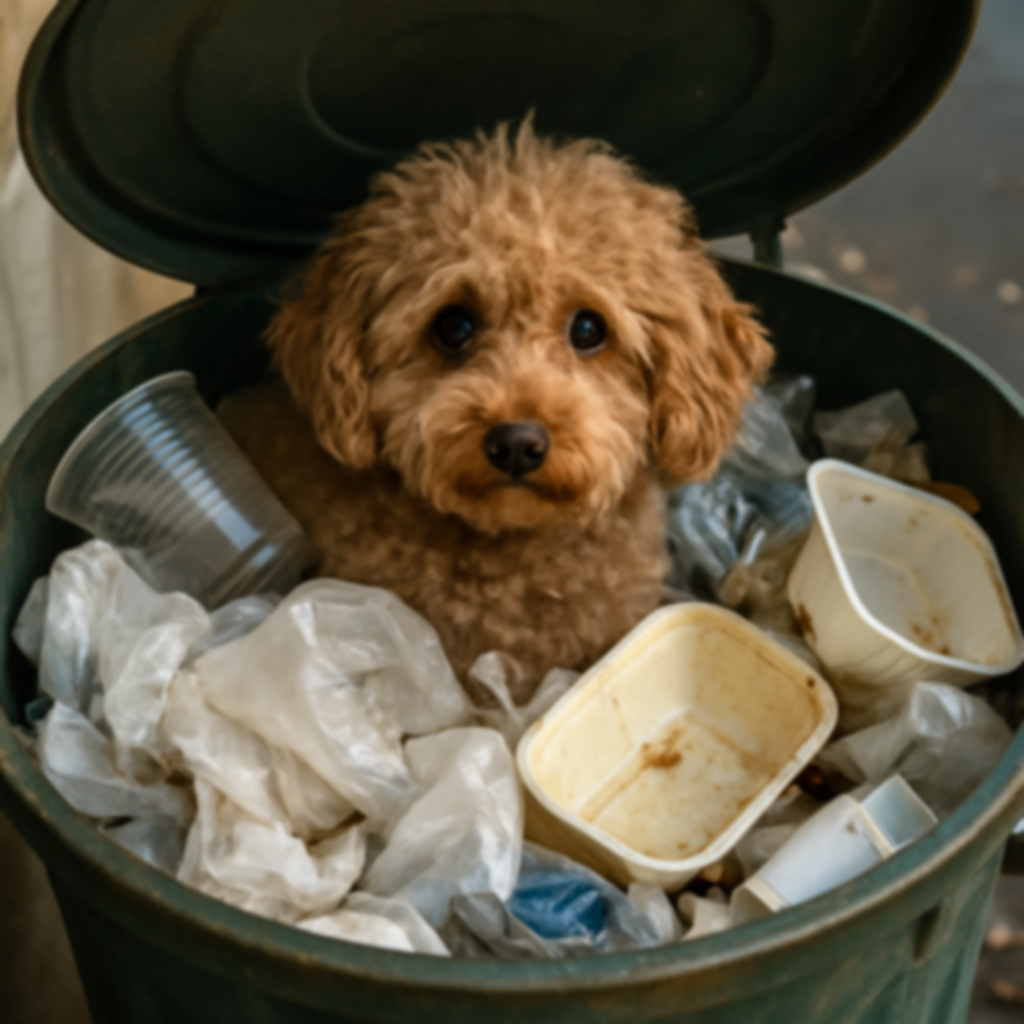
On a quiet walk through Vancouver's Pacific Spirit Park, a routine act — putting gum in a trash can — turned into a startling discovery when Terry Sparrow noticed movement inside the bin. What began as the immediate thought that it might be a squirrel or raccoon quickly became something much more disturbing: a dog rescued from trash, a fluffy brown pup buried beneath garbage and in desperate need of help.
The scene is difficult to imagine without feeling a knot in the chest. Sparrows account, as reported by local media, described the moment of recognition and disbelief. He told North Shore News that he was still in shock and asked, "Who would throw a beautiful dog like that in the trash can of all places?" That reaction captured the mix of heartbreak and urgency that followed.

Sparrow and his companion Krista Brisk did not walk away. Together they dug the dog out and immediately began looking for help. Their prompt response made all the difference, and their decision to act rather than assume someone else would intervene was a critical turning point for the injured animal.
The next morning, they connected with local dog rescuer Laurie Schildt, who agreed to foster the pup and coordinate his care. Schildt told The Dodo she was "heartbroken and angry" and that she "knew I had to do everything in my power to help him." Her choice to step in illustrates how individuals and small rescue networks often serve as the first line of response in cases of animal abandonment and abuse.
Veterinarians at Canada West Veterinary Specialists examined the dog and found a number of serious injuries, including broken ribs, a broken leg, and a dislocated hip. The team determined that he would survive, but that many surgeries and extensive recovery lay ahead. Those medical findings show how severe the physical trauma had been, and how much coordinated veterinary care for dogs can mean when injuries are this extensive.
Schildt named him Oscar, a winking nod to Oscar The Grouch, referencing his discovery in a trash receptacle. Even in the naming, there is a tenderness that acknowledges both the cruelty of the situation and the hope of a better chapter to come. "Oscar has adjusted beautifully into my home," Schildt said, adding that he is "a very loving boy" and that she is impressed daily by his resilience.
I found this detail striking. Despite his injuries and the trauma of being discarded, Oscar's apparent capacity for affection highlights a resilience many animals show when given attentive care and a safe environment.
Community reaction was swift and generous. Oscar's story spread through social media and reached scores of local supporters who pooled resources to help cover his medical bills. Donations in the thousands were reported, and the veterinarians at Canada West Veterinary Specialists offered to cover a portion of the pup's bills. That combination of grassroots support and professional assistance is a model of how communities can come together around a single abandoned dog Vancouver case to fund recovery.
Oscar's path forward will include multiple surgeries and rehabilitation. The phrase dog recovery and rehabilitation captures not only the physical processes involved but also the ongoing adjustments Oscar will need as he regains strength and mobility. The financial, emotional, and logistical aspects of such a recovery are significant, and the involvement of a committed foster like Schildt makes the difference between struggling alone and having a coordinated plan of care.
Stories like Oscar's are painful to read yet they often end in hope because of the actions of everyday people and dedicated professionals. They remind readers of the importance of vigilance when out in public spaces, and of the value of knowing how to report suspected animal cruelty or abandonment to local animal control or rescue organizations. Responsible pet ownership and quick reporting can prevent further harm and increase the chance that injured animals receive timely veterinary care.
For those moved by Oscar's story and looking to help animals in similar situations, consider supporting local shelters and rescues, learning about signs of animal neglect, and sharing verified information about responsible rescue channels. Every community has different resources, and even small acts — a call, a social media share that directs people to reputable organizations, or a donation to verified veterinary funds — can have an outsized impact on a single animal's life.
Oscar's story is still unfolding, and his survival so far is due to the combined efforts of strangers who chose to act and professionals who provided medical care. His case underscores why veterinary care for dogs is an essential part of any community response to injured animals, and why the compassion of individuals can turn a near-tragedy into a long road toward healing.