
ARS PDP Content
Hadley animal rescue highlights widespread neglect and community response
Guest Contributor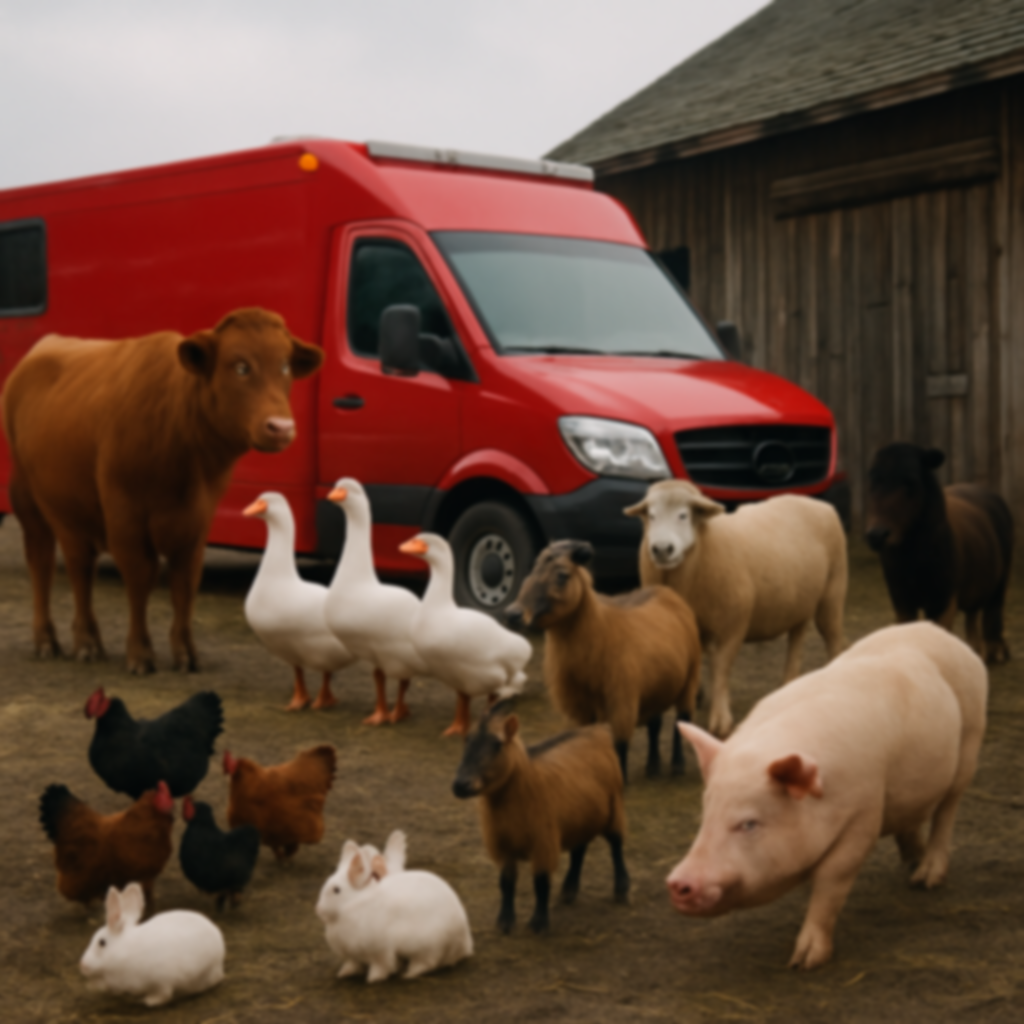
When news broke that more than 150 animals had been removed from a Hadley property, it quickly became a focal point for concern and compassion in the community. This animal rescue Hadley operation, carried out by MSPCA-Angell law enforcement on January 7, exposed troubling conditions and brought attention to the realities of animal neglect in close-to-home settings. The images and descriptions that emerged were sobering and prompted an immediate response from both professionals and neighbors.
Officials executed a search warrant at a Lawrence Plain Road property and found a wide array of creatures living in poor conditions. The seized animals included chickens and geese, domestic birds such as cockatiels and parrots, and larger farm animals including goats, cows, pigs, sheep, and one pony. Rabbits were among the small mammals taken as well. The team also removed illegal wildlife pets, notably deer and Canada geese. The scale and variety of species made the rescue logistically complex and emotionally heavy.

MSPCA-Angell Law Enforcement Director Chris Schindler described the scene candidly, saying, "Many of the animals lacked access to food and water." He added that the majority were living outdoors without adequate protection from the elements. Those direct observations underscore why the organization undertook the seizure and why the animals needed to be moved quickly to safer conditions. The phrase seized animals takes on a particular weight when one imagines so many different species without basic shelter and sustenance.
Organizing the removal was a major undertaking. The MSPCA-Angell team used three trailers, five vans, and more than 20 staffers to transport the animals to their facilities. Schindler said, "An operation of this scale requires all hands on deck from across the organization." That coordination reflects not only logistical planning but also the depth of care required to triage, treat, and temporarily house such a large and varied group.

The animals are now in MSPCA-Angell care, where they will be assessed and given immediate medical and nutritional attention as needed. The organization will continue that care while the court process plays out. Details about potential charges against the property's owner were not immediately available. The legal aspect is ongoing, and it will likely take time for formal outcomes to be determined.
It is important to note that this was not an isolated contact. Schindler said the MSPCA had previously attempted to work with the property's owner to improve conditions, but those efforts were unsuccessful. That context helps explain why enforcement action ultimately became necessary. It also raises questions about how communities and animal welfare agencies might intervene earlier to prevent suffering and to support people who keep multiple species, whether as personal companions or as part of small-scale farming.
The presence of illegal wildlife pets adds another layer of concern. Deer and Canada geese are not typical domestic animals, and caring for wildlife requires different expertise and legal permissions. The fact that those animals were living on the property alongside domestic birds and farm animals complicated both the care needs and the legal considerations. Wildlife species may require special handling, permits, and rehabilitation that differ from the protocols for domestic animals.
I found this detail striking. It highlights how quickly situations can become overwhelming when different species are kept together without appropriate shelter, food, or veterinary oversight. The human and animal dimensions of such cases are often intertwined, and addressing the immediate welfare needs must go hand in hand with longer term solutions to prevent recurrence.
Community responses to rescues like this vary. Some neighbors express shock and sadness, others offer donations and foster space, and local agencies sometimes coordinate to absorb animals into shelter systems. MSPCA-Angell’s statement suggested they mobilized staff across the organization, which likely included medical teams, animal care technicians, and law enforcement officers. That kind of multidisciplinary response is crucial when dealing with large-scale animal neglect cases.
For readers wondering what can be done to help, there are practical, nonjudgmental steps communities can take. Supporting local animal welfare organizations through donations or volunteering helps provide capacity for emergency rescues. Reporting suspected neglect in a timely way can prompt earlier intervention. Educating new or struggling animal owners about proper care, legal requirements for exotic pets, and how to access assistance could reduce the number of crises that escalate to this level.
Because these events involve legal processes, there will likely be additional updates as court proceedings move forward and as MSPCA-Angell provides follow-up information about the animals’ outcomes. The priority in the immediate term remains care, assessment, and finding appropriate long term placements for animals rescued from the property. The scale of this rescue serves as a reminder of the ongoing need for resources to address animal neglect and to support compassionate, informed animal stewardship.