
ARS PDP Content
Dog DNA Test Reveals Surprising Mix That Lets Rescue Fly
Guest Contributor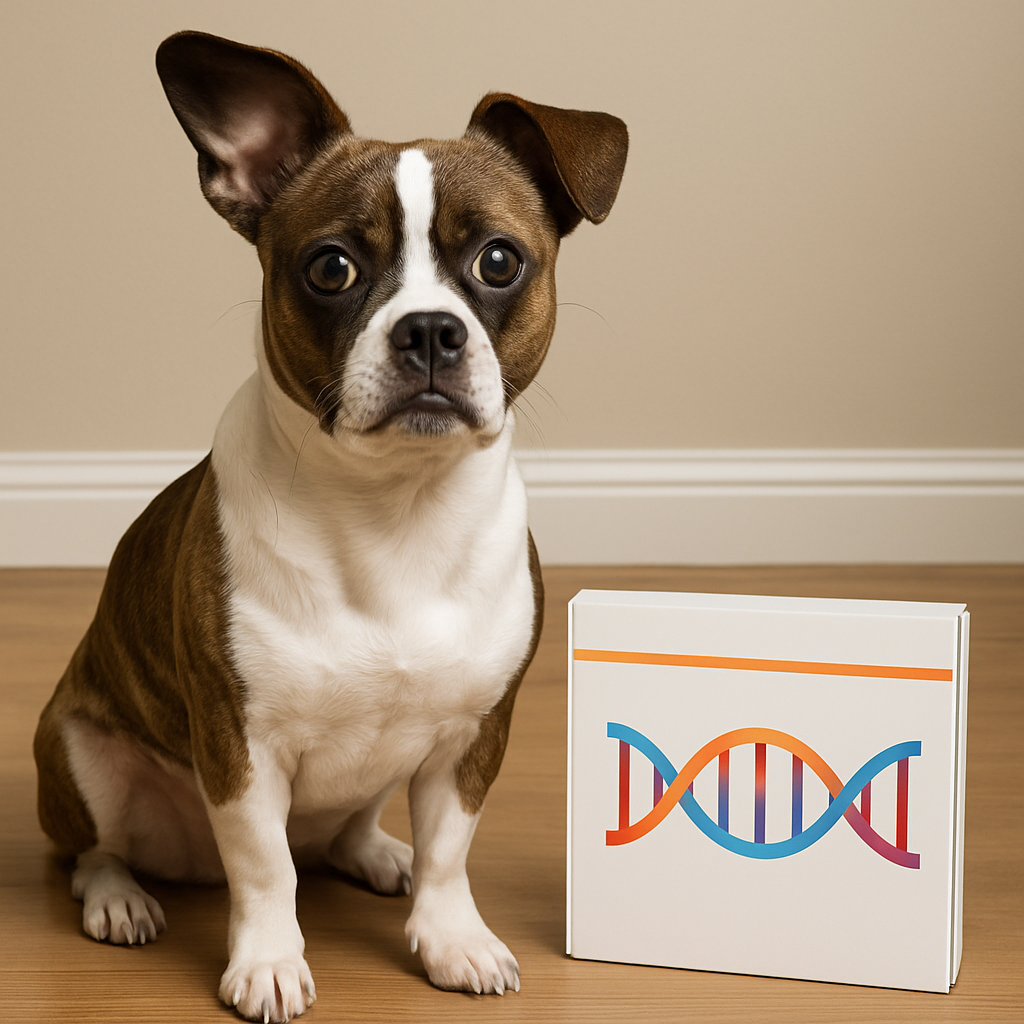
When Brett Miller decided to do a dog DNA test on Birdie, the two-year-old rescue he adopted in August, he was hoping to settle a practical question and satisfy a long-standing curiosity. Miller suspected she might be some kind of pit bull and terrier mix, and like many owners of unusual-looking rescue dogs, he wanted to know exactly what makes her so distinctive. The story that followed is a tidy example of how a simple genetic check can upend expectations and change plans for travel and care.
Miller, who lives in Los Angeles, told Newsweek that adopting Birdie has been a joyful experience. He described her as great with people and other dogs, and said she generally loves to nap. Those temperament notes are often the most important part of bringing a rescue into a home, and in Birdie’s case they helped the owner feel confident she would fit in on family outings and in social settings.

The catalyst for the DNA test was practical. Miller said he was unable to get Birdie verified by his vet to fly on an airplane because she was suspected to be a pit bull, and many major airlines restrict pit bull mix breeds. He explained that his mom bought him a DNA test to confirm whether Birdie was as much pit bull as they thought. "I wasn’t able to get her verified by my vet to fly in an airplane because she’s suspected to be a pit bull, and pit bulls are a restricted breed on most major airlines," Miller told Newsweek. "It turns out that she’s mostly American Bully and then next up was Chihuahua and Pomeranian."
The DNA results were a surprising patchwork. Birdie tested 31 percent American Bully, 14 percent Chihuahua, 13 percent Pomeranian, 13 percent super mutt, and 10 percent poodle. Smaller percentages of chow chow and German Shepherd also appeared in her profile, and the test found she is only 4 percent pit bull. Those precise figures shifted the picture from a presumed pit bull mix to an unexpectedly diverse genetic background.
Telling the story on social media, Miller posted a video on TikTok under the handle @brettneyspears, reading the breed percentages aloud while Birdie sat on his lap. The clip struck a chord with viewers. At the time of writing, the video had more than 1 million views and 193,000 likes, and the comments filled with playful reactions to Birdie’s unusual genetic makeup. Posting the results so publicly is a common step for owners who want to share the surprise and delight that often comes with learning a pet’s ancestry.
Miller said the practical upside was immediate. He told Newsweek he was shocked and happy because the result meant she could fly. He explained that American Bullies are sometimes restricted because of respiratory issues linked to short snouts, but Birdie’s Chihuahua snout appears to avoid that problem. "I was shocked and happy because that meant she could fly," Miller said. "American bullies are a restricted breed as well, but only because of their respiratory issues due to their short snouts. Luckily, Birdie has a Chihuahua snout so she should be able to fly."
The public reaction leaned heavily toward affection. Commenters on the TikTok post posted lines such as "somehow these all make sense," "And she’s 100% perfect," "Omg what an unhinged mix. She is precious," and "She looks horrified by each revelation." Those short, celebratory responses capture why stories about rescues and mixed heritage dogs travel well online: people enjoy the surprise and the reminder that personality and care matter more than a neat breed label.
There is a broader practical angle to this story that many owners find useful. A DNA test can clarify a pet’s likely ancestry and sometimes point to breed-linked health or behavioral tendencies. For an owner like Miller, who wanted to take his dog on plane trips, the test resolved a bureaucratic hurdle. For others, a test can prompt conversations with a vet about predispositions to certain medical conditions even though breed percentages are not medical diagnoses. Many people adopt mixed breed dogs precisely because rescue dog breeds come with a range of traits and personalities, and genetic testing simply adds one more piece of information to inform care decisions.
The charm of Birdie’s results also highlights how labels do not fully capture an animal’s character. Despite the genetic breakdown, Miller emphasized what the test did not change: Birdie’s affectionate nature, her car manners, and how family-oriented and social she is. "She’s great in the car, is very family-oriented and super social and playful," he told Newsweek. Those qualities are often what matter most when bringing a rescue into a household, regardless of whether the dog is a pit bull mix or a patchwork of smaller breeds.
I found Birdie’s mix surprisingly charming, a reminder that unexpected combinations often produce the most endearing companions.
If you have funny or adorable videos or pictures of your pet you want to share, Newsweek invited readers to send them to life@newsweek.com. Read more at https://www.newsweek.com