
ARS PDP Content
Animal Shelter Reform in Stanislaus County: Residents Demand Accountability and Care
Guest Contributor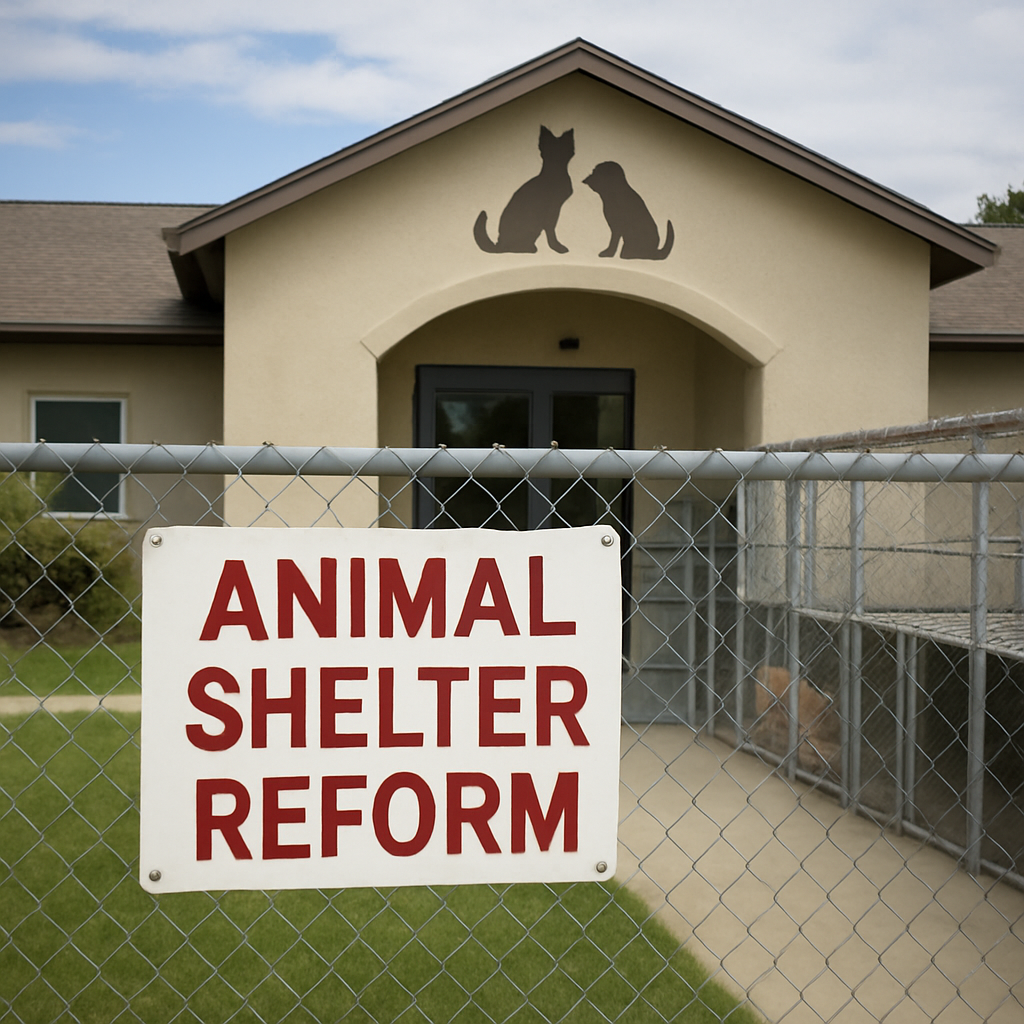
The push for animal shelter reform in Stanislaus County has moved from social media frustration to organized action, and the Stanislaus Animal Services Agency is now squarely in the public spotlight. People passionate about pets are asking for structural changes to the Modesto animal shelter and for better access to basic services such as spay and neuter programs. The phrase animal shelter reform captures the focus of a community that wants clearer accountability and improved care for animals in need.
The Modesto Focus reports that local advocates, veterinarians, elected officials and everyday pet owners have coalesced into an unusually coordinated effort. Modesto City Councilman Chris Ricci helped convene more than 100 residents on December 30 to write letters and make phone calls calling for change. A follow up meeting on January 4 included five office holders representing Modesto, Ceres and the Stanislaus County Board of Supervisors. The group has a conceptual proposal that includes studying a transition from government to nonprofit management.

The Stanislaus Animal Services Agency, or SASA, is a joint powers authority serving Modesto, Ceres, Hughson, Patterson, Waterford and parts of unincorporated Stanislaus County. The shelter sits at 3647 Cornucopia Way in Modesto and serves an area that contains 76 percent of the county population. Residents who attended the gatherings described long delays in communications, difficulty making appointments to surrender strays, and a shortage of low cost services that many view as essential prevention measures.
Community members shared troubling anecdotes. One rescue volunteer described poodle puppies trying to nurse from a mother dog who was too ill and flea infested to stand despite a health certificate that supposedly cleared transport for adoption. Other attendees reported staff apologizing after mistakenly euthanizing animals, and a claim that three female dogs were euthanized on a single morning despite there being dozens of empty kennels. Such stories fuel the perception that the shelter’s day to day operations are failing parts of the public they serve.

The agency’s new executive director, Lily Yap, who was hired in March, told the Modesto Focus that she welcomes public input and that the shelter and advocates ultimately want the same thing. A Modesto deputy city manager and SASA board member, Scotty Douglass, said the board is encouraged by interest from residents offering solution oriented recommendations. Jill Tucker, chief executive officer of the California Animal Welfare Association, cautioned against rushing to blame individual staff. She said the shelter environment is challenging and that many shelters nationwide are struggling with staffing and veterinary shortages.
Those statewide trends show up in local numbers. A Modesto Focus analysis of SASA data found that cat euthanasia rates rose to 28 percent by 2024 after being nearly zero in 2020. The shelter was saving most dogs in 2020, but by 2025 dog euthanasia reached 11 percent. That 11 percent figure is important because many in the community fear SASA could lose its no kill status for dogs if the rate remains above 10 percent. The story of SASA includes a notable achievement in 2019 when the shelter celebrated reaching less than 10 percent euthanasia for dogs after years of much higher rates. Advocates now worry that progress is slipping.

The complaint list is more than anecdotal. A current check by The Modesto Focus found multiple gaps in online customer service including no spay or neuter appointments available for dogs through all of 2026, no appointments to turn in strays or trapped cats, and the first available appointment to surrender an animal listed as March 11. The shelter’s online scheduling also reportedly showed only a handful of phone appointments for billing questions and four vacancies on the seven member advisory committee. Those points strengthen the argument from reform advocates that basic customer service and access need substantial attention.
Financial questions also figure into the debate. Public documents show the SASA annual budget is roughly 6.6 million dollars with about 4.5 million dollars, or 68 percent, allocated to salaries and benefits. Reform proponents have suggested a nonprofit structure might shift how funds are used and could potentially reduce administrative costs, though experts warn that nonprofits must be stable, well managed and properly funded to serve the same functions. Tucker noted she has seen well intentioned nonprofits overreach and then struggle to deliver services.
Local officials have signaled they are open to conversations rather than only criticism. County Supervisor Terry Withrow said it is reasonable to ask what success would look like and how much the community can afford. Ceres Mayor Javier Lopez, who has adopted animals from SASA, urged patience in exploring options and said forming or finding an appropriate nonprofit will take time. At the same time, residents continue to press for immediate improvements in intake, vaccination clinics, trap neuter return programs and affordable spay and neuter services.
The shelter’s governing board is scheduled to discuss a strategic plan at a January 15 meeting at the Ceres Community Center. The current strategic plan covered 2019 through 2022, and community members expect the next plan to address the shortcomings they have identified. The public comment period for that meeting is scheduled after lunch, around 12:40 p.m., giving residents a chance to speak directly to board members and staff.
I found this detail striking: volunteers who drive across the Bay Area to Modesto to help rescuers here say they do so because their local shelters in places like Pleasanton run like well oiled machines and need them less. That contrast highlights how much impact operational consistency and reliable services can have on both animals and the volunteer ecosystem that supports them.
As the debate continues, the community is asking practical questions about governance, accountability and service delivery. Any path forward must balance compassion and local realities while ensuring safe care for animals and access to prevention services that reduce shelter intake. The voices demanding change are organized, persistent and prepared to push for measurable outcomes. Whether the solution will be improved management within existing government structures or a transition to nonprofit oversight is still being discussed, but the conversation is no longer private. It is public, urgent and aimed at restoring trust between animal lovers and the institutions charged with protecting animals.